

Why mole control needs accurate placement
Active runs identified
We distinguish fresh tunnel use from old activity before traps are positioned.
Ground conditions matter
Soil, moisture and the size of the affected area all influence the trapping plan.
Follow-up checks used
Fresh molehills and movement are reviewed so we know if more control is required.
Fresh molehills usually mean fresh tunnel activity
Molehills across a lawn, paddock or managed area can quickly spoil ground that you need to keep usable. We provide mole removal in Newton Abbot by first checking the site for raised runs, fresh soil and the tunnel patterns that show where active movement is actually taking place. That inspection matters because old tunnels and live runs do not tell the same story. By identifying the active system, we can place traps more accurately and avoid wasting time on ground the moles are no longer using. This focused approach is designed to reduce ongoing damage rather than just react to the latest mound.
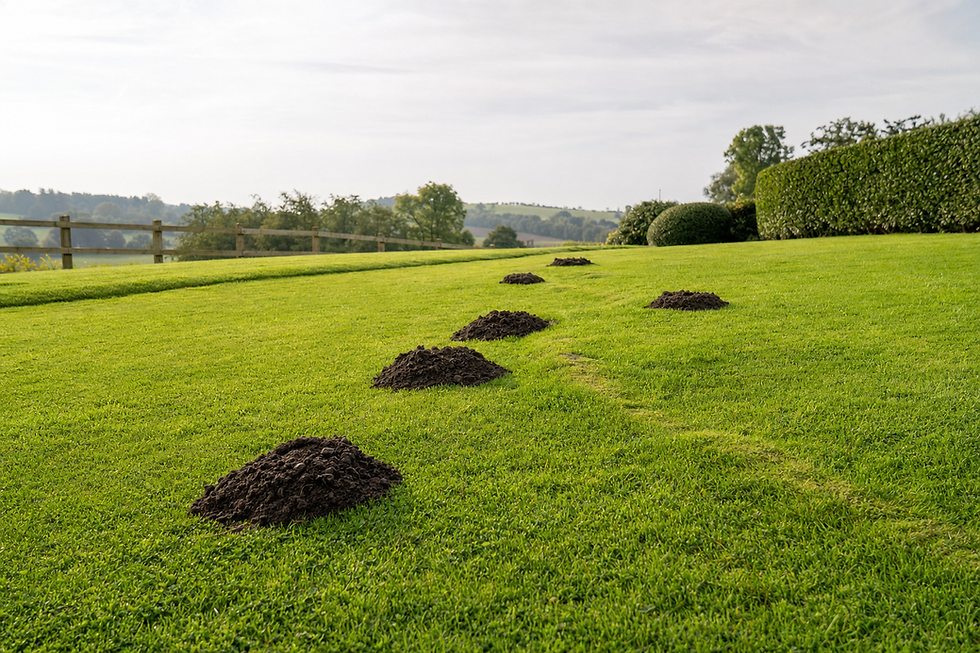
Trapping shaped by soil, ground and tunnel use
Professional mole trapping works best when it is matched to the conditions on the site. Soil type, moisture, the size of the affected area and the level of tunnel activity all influence the plan. After traps are set, follow-up checks help us judge whether movement has continued, shifted or stopped altogether. That makes it easier to decide if further control is needed or if the current response has done its job. The aim is to protect maintained surfaces, lawns, paddocks or agricultural ground from continued disturbance.
Frequently asked questions
How do you know if mole tunnels are still active?
Fresh molehills, recently raised runs and the condition of the soil can all show that a tunnel system is being used. We inspect the site closely because old tunnels and active routes need different decisions when traps are being placed.
Where can mole control be used?
We carry out mole work in places such as lawns, gardens, paddocks and agricultural ground where tunnel systems are causing repeated disturbance. The trapping plan depends on the ground conditions and how wide the activity has spread.
Will one visit always solve a mole problem?
Not always. Follow-up checks are important because fresh activity can appear elsewhere in the tunnel system or move across the site. By reviewing the trap locations and new signs, we can judge whether more control is needed.