
Ashburton | Bovey Tracey | Brixham | Buckfastleigh | Dawlish | Exeter | Teignmouth | Totnes | Torquay | Paignton | Newton Abbot
07950 609768
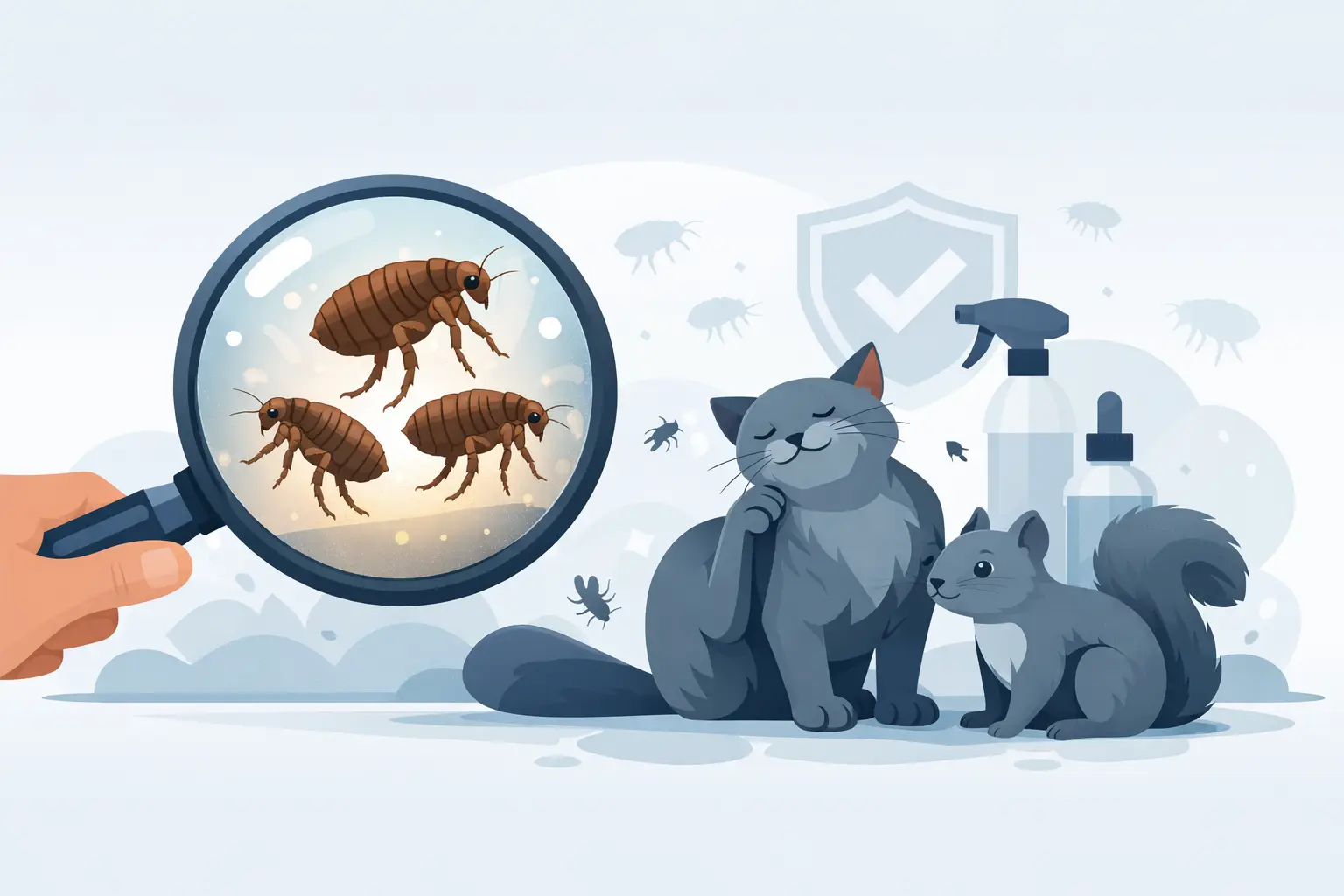
Finding a flea on the carpet or being bitten a few days after treatment is enough to make anyone think the job has failed. The usual answer to “why am I still seeing fleas after treatment” is not that the treatment has done nothing. It is that fleas have a life cycle which does not fit neatly into a single visit or a single day.
A proper flea treatment is designed to break that cycle, but there can still be a period where newly emerged adult fleas are seen. The key is knowing what is normal, what action to take at home, and when continued activity points to a source that has been missed.
Most people notice adult fleas, but adult fleas are only one part of the problem. Eggs, larvae and pupae may already be sitting deep in carpets, gaps in floorboards, upholstery, pet bedding and other quiet areas before treatment begins.
Eggs and larvae are vulnerable to the right treatment and thorough cleaning. Pupae, however, are protected inside a cocoon. They can remain dormant for a while, then emerge when they detect warmth, movement or carbon dioxide. In a lived-in property, that means they may emerge when people or pets walk through a room.
This is why it is possible to see a few adult fleas after a professional treatment. Those fleas may have been pupae at the time of application, so they were not exposed in the same way as active adults. Once they emerge and move across treated surfaces, they should be controlled.
The timing varies with temperature, humidity and the extent of the infestation. In a warm home, pupae can emerge relatively quickly. In cooler or less active rooms, the process can take longer. A gradual reduction in flea activity over the following two to three weeks is generally more reassuring than a sudden stop on day one.
If you have pets, they are often the reason fleas entered the home in the first place, but they are not necessarily the only reason activity continues. A pet can pick up new fleas outdoors, carry emerging fleas through the house, or remain untreated while the property has been treated.
Every pet in the household needs an appropriate flea-control plan at the same time. Speak to your vet or a qualified animal health professional about the product best suited to each animal, its age, weight and medical history. Do not assume one product is safe for every species. In particular, products intended for dogs must never be used on cats unless a vet has specifically advised it.
It also matters whether the treatment has had time to work and whether it has been applied correctly. Bathing, swimming, heavy rain, grooming and an incorrect dose can affect some products. Follow the instructions precisely, and make sure repeat doses are given when required rather than waiting until fleas are visible again.
If a pet is continually picking up fleas outside, the indoor treatment may be working perfectly but the source remains active. Shaded areas, pet sleeping spots, outdoor kennels, sheds and places visited by cats, foxes or rodents can all be relevant. A professional inspection helps separate an indoor infestation from an ongoing outside source.
Treatment gives you the control measure, while cleaning removes flea stages and encourages pupae to emerge into treated areas. It is one of the most useful things a householder can do during the follow-up period.
Vacuum carpets, rugs, upholstered furniture, around skirting boards, beneath beds and the places where pets rest. Do this regularly for at least two weeks after treatment, paying particular attention to rooms where bites or flea activity were first noticed. Empty the vacuum outside straight away, sealing the contents in a bag before putting it in the bin.
Wash pet bedding, throws, washable covers and soft furnishings on the hottest suitable wash for the fabric. If an item cannot be washed, vacuum it carefully and follow the advice given at the time of treatment. Do not steam-clean, shampoo carpets or use other insecticides unless advised to do so, as this can reduce the residual effect of a treatment or create unnecessary exposure.
Avoid relying on flea foggers or supermarket sprays as an add-on. They often do not reach the places fleas develop, can interfere with a planned treatment programme, and may simply spread the problem from one area to another. More product does not automatically mean better control.
A small number of fleas after treatment can be expected. Persistent biting, regular sightings in several rooms, or no improvement after the expected follow-up period needs closer attention.
There are several common reasons for this. The property may have a large infestation with a high number of pupae waiting to emerge. A pet may not be on effective flea treatment. One room, pet bed or upholstered item may have been overlooked. In some cases, fleas are being brought in from a loft, crawl space, outbuilding or an animal nesting site close to the property.
It is also worth checking that the insect you are seeing is actually a flea. Fleas are tiny, dark, wingless and very good at jumping. Other small insects can appear around windows, fabrics or pet areas and may be mistaken for fleas. Correct identification avoids wasted time and repeated treatments for the wrong issue.
Get professional advice if activity is increasing rather than reducing after around two weeks, if bites continue despite treating pets and following cleaning instructions, or if the problem returns shortly after appearing to clear. The same applies where there are signs of rodents, wildlife access or a heavy infestation in a rental property, holiday let, business or shared building.
A good pest controller will look beyond the visible fleas. They will ask where pets sleep, which rooms are affected, whether animals have access under floors or into roof spaces, and what treatments have already been used. That information determines whether a further application is needed, whether a missed source needs dealing with, or whether the normal flea life cycle is simply still playing out.
The most effective approach is coordinated rather than rushed. Treat the property using a suitable professional method, make sure every pet receives appropriate veterinary flea control, and keep up regular vacuuming and washing of bedding. If possible, reduce clutter around floor level so carpets, edges and pet resting areas can be properly accessed.
For landlords and business owners, communication matters as much as the treatment itself. Occupants need clear instructions before and after attendance, particularly where pets, children, vulnerable people or multiple flats are involved. Treating one affected room while another household area remains untreated may prolong the issue.
There is a trade-off between acting quickly and applying products indiscriminately. Early action is sensible, but a targeted plan is safer and more effective than repeated sprays. This is particularly true in homes with pets, on farms, and in properties where the likely source may be outside the main living space.
After treatment, keep a simple note of where and when fleas are seen. One or two sightings that become less frequent are different from daily bites in new rooms. That pattern gives a pest controller useful evidence if follow-up work is required.
Flea control is rarely about one dramatic moment. It is about interrupting the life cycle, removing the conditions that support it and giving the treatment time to do its job. If the activity is not clearly easing, do not keep guessing – arrange practical advice so the source can be found and the problem can be properly finished.


