
Ashburton | Bovey Tracey | Brixham | Buckfastleigh | Dawlish | Exeter | Teignmouth | Totnes | Torquay | Paignton | Newton Abbot
07950 609768
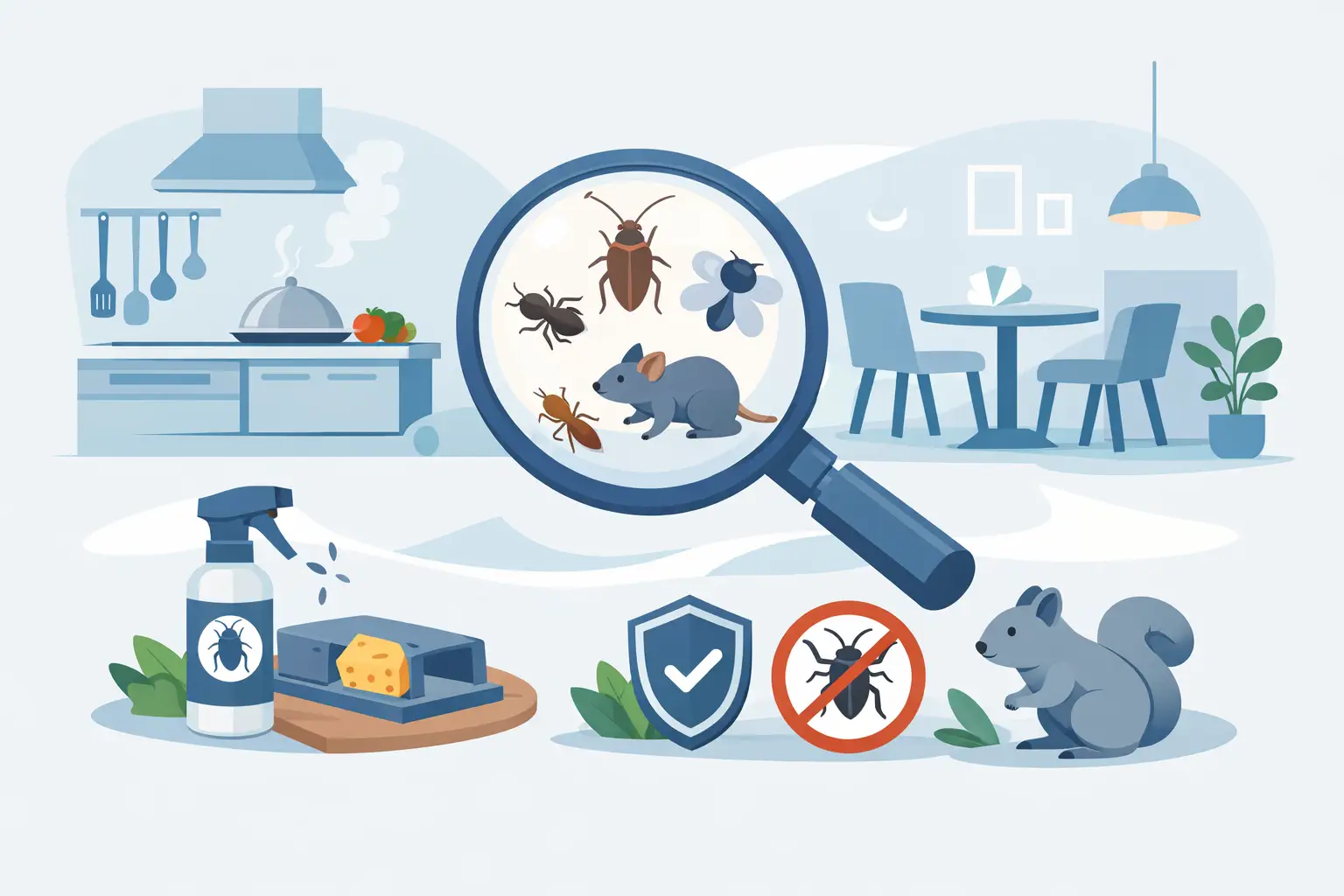
A single mouse dropping behind a fridge, a fly around a pass, or a torn food sack in the store can become far more than an inconvenience. This guide to restaurant pest prevention is for owners, managers and kitchen teams who want practical control of the risks before they affect food safety, inspections or reputation.
Restaurants naturally provide what pests need: warmth, water, food and plenty of sheltered gaps. Prevention is therefore not one job for a pest controller or one deep clean at the end of a shift. It is a routine that involves the whole team, backed by proper monitoring and prompt action when signs appear.
A busy food premises creates constant opportunities. Deliveries arrive in cardboard packaging, doors open through service, bins fill quickly, and crumbs or grease can gather in places nobody sees during a normal clean. Pests do not need a visibly dirty kitchen to get established. A minor leak below a sink or a poorly sealed cable entry can be enough.
The most common concerns vary by site and season. Rodents may use service voids, ceiling spaces and external drainage routes. Flies are drawn to food waste, spillages and moisture. Cockroaches favour warm, hidden areas around motors, pipework and appliances. Stored-product insects can arrive with dry goods and spread if stock is left unchecked.
For a restaurant, the consequences can include contaminated food, damaged packaging, failed stock, staff time and serious hygiene concerns. The right approach is calm and methodical: reduce the attraction, close off access, inspect regularly and record what is found.
Bait or traps may be appropriate when there is confirmed activity, but they are not a substitute for proofing. If an animal can still enter easily, a treatment may only deal with part of the problem. Start by walking the outside of the premises and looking at it as a pest would.
Check around pipe penetrations, extractor routes, vents, doors, cellar hatches and damaged brickwork. Gaps around utility pipes are easily missed, particularly in older buildings. Door brushes and seals should meet the threshold properly, while loading and rear doors should not be held open longer than necessary.
Inside, pay attention to gaps behind fitted units, under kickboards, around drains and where cables enter walls. A good inspection also looks upwards. Droppings, gnawing, nesting material, grease marks and unusual smells in ceiling voids or service cupboards should never be ignored.
Proofing needs to be suitable for the building and the pest risk. Fine mesh may suit an air vent, while a damaged drain, loose door seal or structural gap may need a more durable repair. Avoid blocking ventilation or interfering with fire safety measures. Where there is any doubt, seek professional advice before making alterations.
Good housekeeping is the foundation of restaurant pest prevention, but it must reach beyond the areas customers see. Kitchen teams should clean under and behind appliances on a planned basis, rather than waiting for a full shutdown. Grease, food debris and standing water around dishwashers, refrigerators and cooking equipment are common sources of attraction.
Store dry goods off the floor and away from walls where possible. This makes cleaning and inspection easier, and helps staff spot damaged packs, webbing, larvae or droppings. Use sealed, food-safe containers for open ingredients and rotate stock properly. First in, first out is good stock control, but it also reduces the chance of forgotten food becoming a pest source.
Waste needs equal attention. Internal bins should have lids, be emptied at sensible intervals and be cleaned often enough to prevent residue building up. Outside bins should be kept closed, positioned away from doors where practical, and placed on a clean hard surface that can be washed down. Overflowing bags beside a bin give pests both food and cover.
Water is often the deciding factor in persistent infestations. Report dripping taps, leaking waste pipes, faulty fridge drip trays and slow drains quickly. A tiny, long-term leak in a cupboard can support cockroach activity even where cleaning standards are otherwise good.
The most effective restaurant pest prevention routine is one that staff can actually maintain during busy service. A short daily check of key areas is more useful than a complicated form nobody has time to complete.
Managers should make sure someone is responsible for looking at the dry store, bin area, wash-up area and staff facilities. Record signs of activity, damaged proofing, spills, leaks and corrective action. This record supports your food safety procedures and gives a pest professional useful information if a problem develops.
A weekly inspection can go a little further. Move what can safely be moved, look behind smaller appliances, inspect incoming stock and check that monitoring points are still accessible and undisturbed. Do not place monitoring equipment where it could contaminate food or create a hazard. Its location and use should be planned for the site.
Your checklist should cover at least these areas:
Pests do not always enter from outside the building. Cardboard, crates, sacks and supplier deliveries can introduce insects or provide cover for rodents in loading areas. This does not mean every delivery is a problem, but it does mean staff should check stock before it disappears into the store.
Look for chewed packaging, insect activity, staining, unusual odours and loose product. Quarantine any suspect goods away from food preparation areas, keep the packaging if it may help identify the issue, and speak to the supplier. If there is evidence of contamination, do not use the food.
Reducing excess cardboard in the premises is sensible where space allows. Break it down and move it to the designated waste area rather than allowing it to build up in stores or corridors. The trade-off is that decanting goods takes time, so make it a realistic part of the delivery process rather than an instruction that gets overlooked on busy days.
One fly near an open door in summer is not necessarily an infestation. Repeated fly activity in a particular area, however, may point to a drain, waste issue or hidden food source. Likewise, one suspected rodent sign requires investigation, but fresh droppings, gnaw marks, smear marks or sightings during opening hours call for immediate action.
Do not rely on shop-bought products as the full answer in a food business. Poorly placed treatments can create food safety risks, fail to address the entry point and make it harder to understand the scale of activity. A professional survey should identify the likely species, entry routes, harbourage and contributing conditions before recommending a targeted plan.
For restaurants in South Devon and the wider South West, local factors can matter. Older properties, coastal locations, rear access arrangements and nearby food businesses can all affect the risk. Elimipest South West provides discreet, tailored pest control and monitoring for commercial premises, with practical advice that fits the way a kitchen actually operates.
The best procedures work when every member of staff knows what to report and feels able to report it. Make pest signs part of induction training, explain where the log is kept, and avoid blaming staff for raising a concern. Early reporting is cheaper, safer and easier to manage than hoping a small issue disappears.
A clean, well-run restaurant should not have to accept pest activity as part of the job. Keep the checks straightforward, act on small defects quickly, and bring in specialist support before an isolated sign becomes a disruption to service.


