
Ashburton | Bovey Tracey | Brixham | Buckfastleigh | Dawlish | Exeter | Teignmouth | Totnes | Torquay | Paignton | Newton Abbot
07950 609768
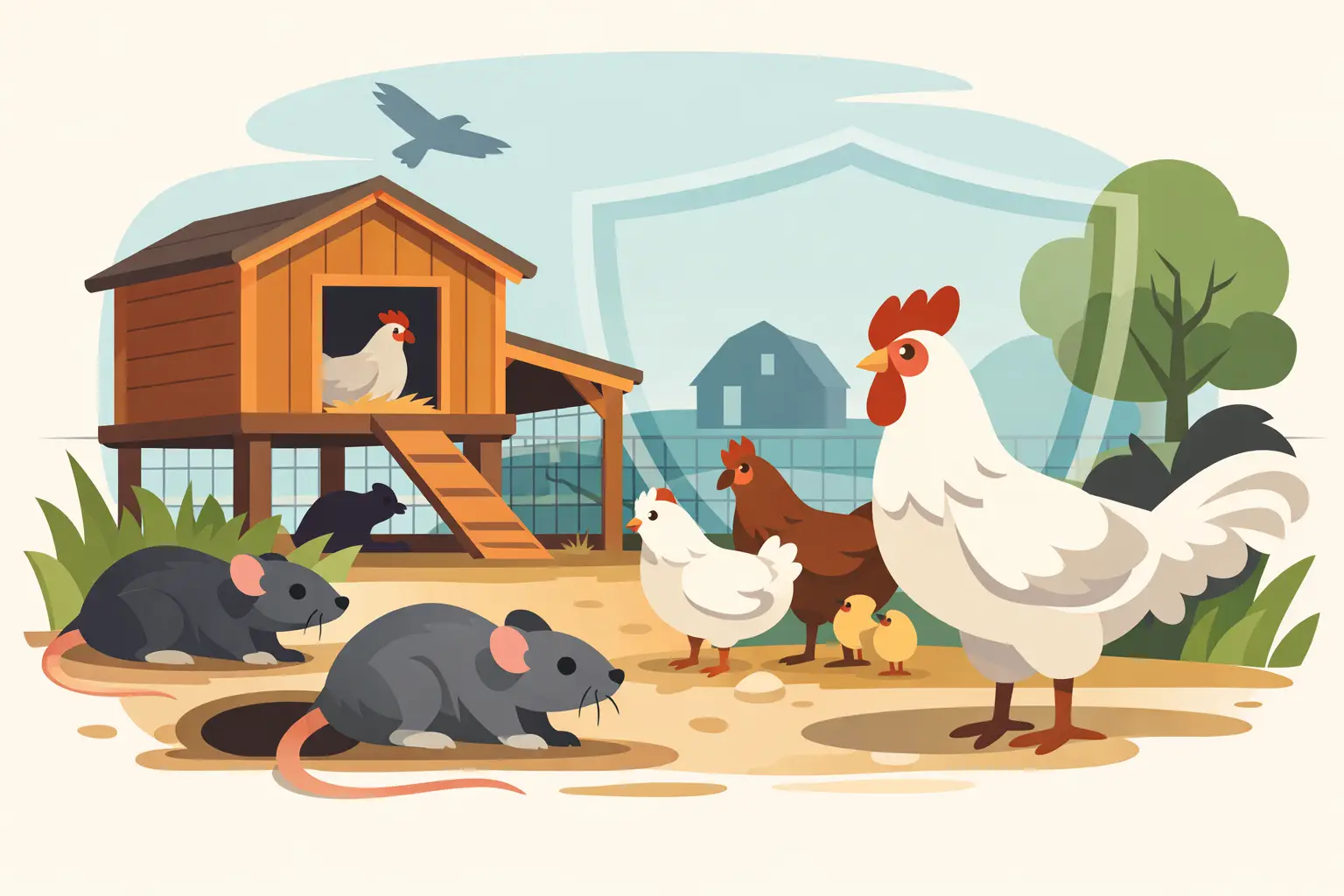
A torn feed sack, fresh droppings under the perch, or hens suddenly reluctant to settle at night can point to one problem: rats. The first signs of rats in chicken coop areas are often easy to dismiss, particularly on smallholdings and gardens where feed, bedding and cover are always close at hand. Leaving it alone is rarely the sensible option. A rat problem can grow quickly, affect flock health and become much harder to control once rats have established a regular food source.
Rats are not usually interested in attacking healthy adult chickens. They are there for the grain, scraps, eggs and shelter. However, their presence creates a dirty, stressful environment for birds and people alike. Prompt, practical action protects the coop, the flock and the wider property.
Chicken keeping gives rats almost everything they need. Layers’ pellets and mixed corn are high-value food, water is readily available, and a coop offers warmth and hiding places. Runs with deep bedding, stacked timber, overgrown edges and gaps beneath sheds make matters even more inviting.
The risk is not just losing a little feed. Rats contaminate food and water with urine and droppings, damage timber, wiring and insulation, and may take eggs or young chicks. They can also carry diseases that present a risk to people and animals. Where there are children, dogs, cats or other livestock on site, a poorly managed rat infestation can become a wider concern.
Rats are wary and largely active after dark, so the number seen in daylight is rarely the full picture. A rat crossing the run at midday may indicate competition for food, disturbance to its nest, or a well-established population nearby. It is a sign worth taking seriously.
Fresh droppings are one of the clearest indicators. Rat droppings are dark, spindle-shaped and generally around 10 to 14mm long. They are commonly found along walls, around feed storage, under the coop, behind bins and in sheltered corners of a run.
You may also notice burrows. Rats often dig into soft ground beneath sheds, beside slabs, under compost heaps or around the base of the coop. Look for smooth, well-used holes with loose soil nearby. Runways through grass, greasy rub marks along walls and gnawed wood or plastic are further clues.
Feed disappearing faster than usual is another common sign, although it can be difficult to judge where several hens are eating freely. Check the area after dusk with a torch from a distance. Avoid going straight into the run and disturbing activity. You may hear movement beneath the floor or see rats travelling from cover towards the feeder.
Hens can become unsettled too. They may avoid certain areas of the coop, become noisier at night or stop using nest boxes where rats have been active. A drop in egg production has many possible causes, but pests should be considered alongside changes in weather, diet and health.
The most effective starting point is feed management. Putting down more feed than the hens will eat during the day gives rats a dependable nightly meal. Feed birds in the morning, monitor what they leave, and clear up loose grain before dusk. This is especially important in winter, when rats are actively looking for easy food and shelter.
Use a proper metal bin with a close-fitting lid for bulk feed. Plastic tubs can be gnawed through, and sacks left in a shed or porch are not secure. A treadle feeder can reduce spillage and restrict access, although it needs to be set up correctly for the size and confidence of the birds. Some hens need a short period to get used to it.
Treats are often the weak point. Kitchen scraps, fallen fruit, bread and scattered corn can attract rats long after the chickens have finished eating. Keep treats limited, give only what the flock will clear quickly and avoid leaving anything in the run overnight. Compost heaps should also be managed carefully, particularly if they are close to poultry housing.
Water matters as well. Repair leaking drinkers and avoid creating permanent puddles around the coop. Rats need water, and a dripping drinker can make a site more attractive than owners realise.
A clean, tidy coop will not stop every rat, but it removes hiding places and makes evidence easier to spot. Keep bedding dry, clear old feed from corners, and avoid storing unused equipment, bags or timber against the coop. If stored materials are necessary, keep them raised off the ground and away from the run where possible.
Check the structure closely. Rats can exploit surprisingly small gaps and will enlarge weak points by gnawing. Reinforce damaged timber, fit solid kick boards where needed and use welded mesh rather than lightweight chicken wire around vulnerable areas. Chicken wire is suitable for keeping chickens contained, but it is not reliable rat-proofing.
Where a coop is raised, assess the space underneath. This can be useful shade for hens, but it can also become a protected nesting area for rats. A solid, well-fitted barrier or suitable mesh skirt may help, depending on the design of the coop and whether hens need access beneath it. Every site is different, so avoid blocking drainage or creating somewhere damp and inaccessible.
Vegetation around the perimeter should be kept cut back. Dense brambles, long grass and piles of logs offer rats cover as they travel between nesting sites and food. You do not need a bare garden, but creating a clear gap around poultry housing makes a real difference.
It can be tempting to put down rodent poison as soon as droppings appear. Around chickens, pets, wildlife and food-producing animals, that approach needs care. Incorrect bait placement can expose non-target animals, and a rat that dies in an inaccessible place can create a smell problem inside a floor, wall or shed.
Professional control is not simply a matter of putting bait down. It starts with identifying where rats are feeding, nesting and entering, then selecting a treatment that suits the site. This may include secured bait stations, trapping, proofing work and follow-up visits to monitor activity. The aim is to reduce the population while dealing with the conditions that attracted it in the first place.
For small, early problems, improved hygiene and proofing may be enough to prevent a larger infestation. For repeated activity, visible rats in daylight, extensive burrowing or damage to the coop, it is usually better to get experienced help promptly. Delaying can turn a manageable issue into a longer treatment programme.
Long-term prevention is about routine rather than one big clean-up. Check feed storage weekly, inspect beneath the coop, look along fence lines and deal with spills before nightfall. After storms or periods of heavy rain, inspect again. Burrows can collapse and rats may move towards drier, warmer shelter.
If you bring in new birds, change the run layout or add a shed, take a fresh look at potential access points. Small changes to a poultry area can create an ideal route or nesting place without being obvious at first. Farms and larger smallholdings may also need to consider nearby grain stores, livestock feed rooms, muck heaps and outbuildings as part of the same rat problem.
Elimipest South West provides practical rat control and prevention for poultry keepers, homes, farms and rural properties across South Devon and the wider South West. Treatment is tailored to the setting, with attention given to flock safety, proofing and the source of the activity rather than a one-size-fits-all response.
If you are seeing droppings, burrows or signs of night-time feeding, act while the problem is still contained. A well-managed coop should be a safe place for your hens to roost, not a reliable feeding station for rats.


