
Ashburton | Bovey Tracey | Brixham | Buckfastleigh | Dawlish | Exeter | Teignmouth | Totnes | Torquay | Paignton | Newton Abbot
07950 609768
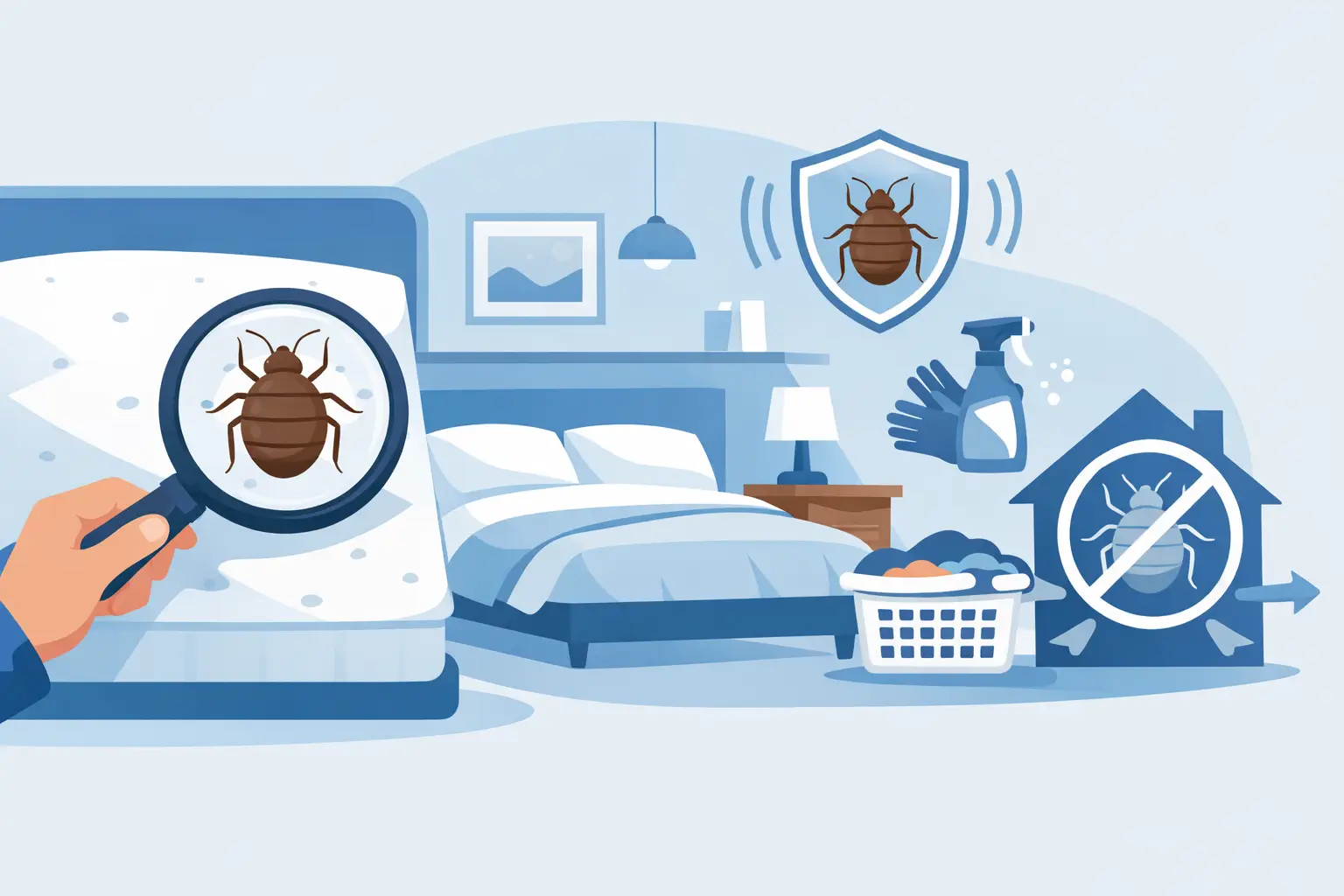
A single bed bug on a suitcase seam, folded jumper or spare mattress can turn one affected room into a much larger problem. Knowing how to prevent bed bugs spreading is about containing the issue early, moving carefully and avoiding the common mistakes that give them a lift around a property.
Bed bugs do not fly or jump. They spread by hitchhiking in belongings: luggage, clothing, bedding, furniture, boxes and occasionally mobility aids or work bags. They are small, persistent and good at hiding in tight cracks, so the aim is not to panic or throw everything away. It is to stop unnecessary movement, treat washable items properly and arrange professional help before the infestation becomes established elsewhere.
If you suspect bed bugs in a bedroom, keep the room in use where practical, but limit what comes in and out. Sleeping elsewhere without a plan can move bugs to a sofa, guest room or another bedroom. Bed bugs are drawn to people resting for long periods, so simply abandoning the room does not solve the problem.
Avoid carrying loose bedding, clothes or personal items through the house. Put anything that must be removed directly into sealed plastic bags or lidded containers before moving it. Do not place those bags on beds, upholstered chairs or carpeted areas in another room.
The same rule applies to vacuum cleaners. Vacuuming can help remove visible insects, shed skins and eggs from seams and crevices, but empty the contents straight into a sealed bag, take it outside and dispose of it in an external bin. Clean the vacuum nozzle and hose afterwards. Never leave a used vacuum standing in a different bedroom or communal hallway.
Keep bedroom furniture where it is unless a pest professional advises otherwise. Moving a bedside cabinet or mattress to inspect it can dislodge bugs into other parts of the home. If furniture has to be moved for access, wrap or bag it first and follow a planned route.
Pull the bed slightly away from the wall and make sure bedding does not trail on the floor. Reduce clutter beneath and around the bed, especially bags, storage boxes and piles of clothes. This does not eliminate an infestation, but it reduces hiding places and makes inspection and treatment more effective.
Purpose-made mattress and base encasements can be useful where appropriate. They trap any bugs already inside the mattress or base and remove many of the folds and seams that are difficult to inspect. They are not a replacement for treatment, particularly if bugs are also in the bed frame, skirting, furniture or adjoining rooms.
Laundry is one of the most useful containment measures, provided it is handled carefully. Bag bedding, nightwear, clothes and soft furnishings in the affected room before taking them to the washing machine. Carry sealed bags directly there, rather than sorting items on a landing or in a utility room.
Wash items at the highest temperature the care label allows. A hot tumble-dry cycle is often particularly effective because sustained heat is what kills bed bugs and their eggs. The exact setting and duration depend on the fabric and appliance, so do not damage delicate items in an attempt to treat them. If an item cannot be washed or dried hot, keep it sealed and ask a professional for advice before moving or donating it.
Once treated, place clean items in fresh sealed bags or clean containers until the room has been dealt with. Do not return them to drawers, wardrobes or under-bed storage until you know those areas have been inspected and treated as needed.
Do not rely on a quick wash alone. Cool or short cycles may clean clothing without killing all life stages. Equally, do not use household sprays on clothes, bedding or mattresses unless the product label specifically permits it. Misuse can be unsafe and may drive bed bugs deeper into cracks rather than resolving the issue.
Recent travel, overnight guests, second-hand furniture and shared living arrangements are common ways bed bugs arrive. After staying away, unpack luggage on a hard floor rather than a bed or carpet if possible. Inspect suitcase seams, pockets, zip areas and the folds around handles. Keep the case away from bedrooms until it has been checked.
Wash and heat-dry travel clothes promptly where the fabric allows. Vacuum the suitcase carefully, paying attention to stitching and wheel housings, then empty the vacuum outside as described above. Hard-shell cases are generally easier to inspect, but any luggage can carry a hitchhiker.
Second-hand beds, sofas, headboards and bedroom furniture deserve particular caution. Inspect joints, screw holes, drawer runners, seams and undersides before bringing items indoors. Dark spotting, pale shed skins, eggs and live insects are warning signs, although a clean-looking item is not a guarantee. If there is any doubt, do not take it into the property.
For tenants, landlords and operators of holiday accommodation, a clear process matters. Keep spare linen and cleaning equipment separate from affected rooms, avoid moving items between units, and make sure cleaners know not to transfer bags, laundry or vacuums without containment. Early reporting is far less costly than quietly moving a guest to another room and carrying the problem with them.
Bed bugs are unpleasant, but rushed decisions often make an infestation harder to control. Avoid foggers or smoke bombs. These rarely reach the narrow cracks where bed bugs hide, and they can scatter insects into adjoining rooms or voids.
Do not start sleeping on the settee, take your duvet to another bedroom or lend clothes and bags to others. Do not give away furniture from an affected room. If an item cannot be safely treated, it should be clearly marked and disposed of responsibly so no one else takes it home.
It is also unwise to use several different insecticides without a proper plan. Bed bugs can survive some products, and applying chemicals in the wrong places can create safety issues for children, pets and occupants. A professional treatment programme is normally based on inspection, preparation, targeted application and follow-up visits where needed.
A single confirmed bed bug does not always mean a large infestation, but it does justify prompt action. If you have bites alongside spotting on bedding, insects in mattress seams, shed skins, or repeated signs after cleaning, arrange an inspection. The longer bed bugs have to breed and spread through a building, the more rooms and belongings may need attention.
Professional help is especially worthwhile in flats, shared houses, care settings, holiday lets and commercial accommodation. Bed bugs can move through service routes, around door frames and between closely connected rooms. Treating only the most obvious bed may leave the source untouched.
A good pest controller will explain what preparation is needed, which rooms require inspection, how laundry and possessions should be managed, and what to expect after treatment. Follow the preparation guidance closely. Over-preparing by stripping out furniture or moving items around can be as unhelpful as doing nothing.
Elimipest South West provides discreet, practical bed bug control for homes and businesses across the local area. With bed bugs, fast identification and a controlled treatment plan give you the best chance of stopping a small issue becoming a property-wide one.
If you are unsure whether the signs are bed bugs, keep the suspected area contained, take a clear photo or retain a specimen in a sealed container, and seek advice before moving anything. Calm, careful action at the start can save a great deal of disruption later.


