
Ashburton | Bovey Tracey | Brixham | Buckfastleigh | Dawlish | Exeter | Teignmouth | Totnes | Torquay | Paignton | Newton Abbot
07950 609768
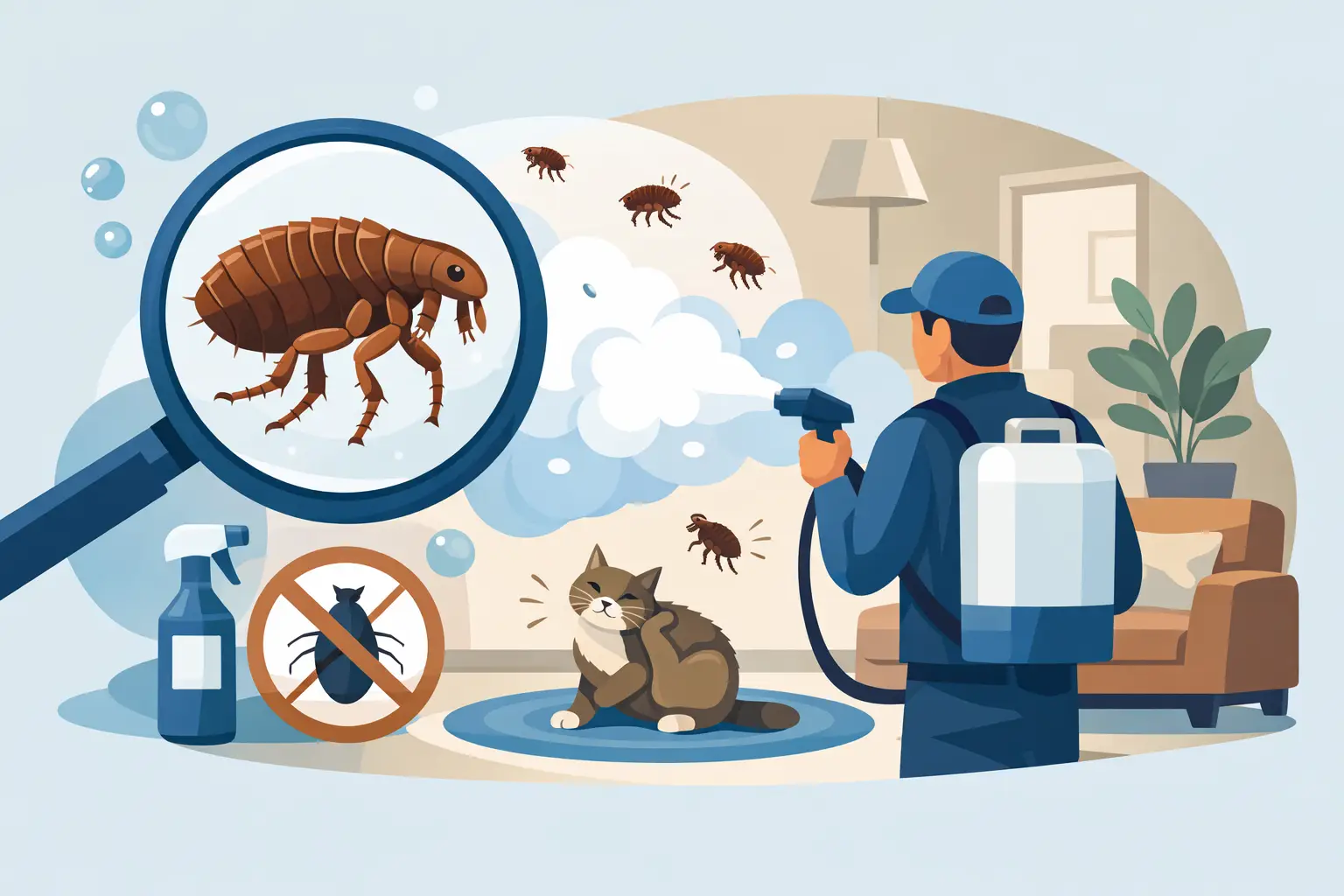
You usually notice fleas after they have already settled in. It starts with bites around the ankles, a pet that will not stop scratching, or tiny dark specks on bedding and carpets. If you are wondering how to get rid of fleas in the house, the main thing to know is this: treating only one area rarely works. Fleas move between pets, soft furnishings, floor edges and hidden cracks, so the job has to be thorough from the start.
A flea problem can build quickly, especially in warmer months or in homes with dogs, cats or regular wildlife activity nearby. In rural parts of Devon and across the South West, it is not unusual for fleas to be brought in from pets, outbuildings, visiting animals or previous occupants. The good news is that a well-planned treatment can clear them. The less helpful news is that half-measures usually lead to the same problem returning a week or two later.
The first step is to treat the source as well as the house. If there is a dog or cat in the property, speak to your vet about an effective flea treatment and use it exactly as directed. Washing the dog once or using an off-the-shelf shampoo may make you feel you are tackling the issue, but it does not deal with the full flea lifecycle. If pets are not treated properly at the same time as the property, fleas will keep feeding and breeding.
Next, reduce as many flea eggs and larvae as possible before any insecticide is used. Vacuum carpets, rugs, skirting-board edges, upholstered furniture, pet sleeping areas and gaps between cushions. Empty the vacuum contents straight away into a sealed bag and put it outside. If your vacuum has a canister, wash it out after use. This part matters because fleas do not only sit on the surface. Eggs and larvae drop into fibres and crevices where they are easy to miss.
Bedding needs similar attention. Wash pet bedding, throws, cushion covers and any washable soft furnishings at a hot temperature that the fabric allows. If a room has been heavily affected, it is worth washing human bedding too, particularly if pets are allowed on beds or sofas. Drying items thoroughly is just as important as washing them.
A common reason people struggle is that they kill the visible adults and assume the problem has gone. Adult fleas are only part of the infestation. Eggs, larvae and pupae can remain in carpets, floor joints and upholstery. Pupae are particularly awkward because they sit inside a protective cocoon and can survive treatment long enough to hatch later.
That is why flea control often needs more than one visit or more than one stage. You may see fresh flea activity after treatment, not because it has failed, but because immature stages are still developing and emerging. Timing matters, and so does choosing the right product for the environment.
This is also where DIY treatment has limits. Shop-bought sprays can help in mild cases, but many people either under-apply them, miss key harbourage areas or use products that do not reach the full lifecycle. In larger homes, tenanted properties, commercial settings or homes with a heavy infestation, professional treatment is usually the quicker and more reliable route.
Fleas do not stay neatly in one spot. They concentrate where hosts rest, but they spread far beyond the pet bed. Focus on rooms where pets sleep, lounges, bedrooms, stair carpets and any upholstered furniture. Pay attention to carpet edges, under furniture, around radiators, beneath beds and along skirting boards.
Hard floors can still be part of the problem, especially where there are cracks, rug edges or gaps between boards. If the property has outbuildings, utility rooms, porches or vehicles used for pets, those may need checking too. It depends on how the infestation started and where the animals spend time.
In empty properties or rental homes, fleas are often left behind by previous tenants or pets. That can catch new occupants off guard because the house may look perfectly clean. Vibrations from people walking through the property can trigger emerging fleas to become active again.
For a very light problem caught early, a careful DIY approach may work. That generally means vet-approved pet treatment, repeated vacuuming, hot washing, and a suitable household flea product used exactly as the label states. Even then, patience is needed. You may need to keep vacuuming daily for a period to stimulate emerging fleas and remove developing stages.
The trade-off is time and certainty. DIY treatment often looks cheaper at first, but repeated product purchases and lost time can add up if the infestation is established. There is also the issue of safe use. Insecticides need to be applied correctly around children, pets, fish tanks and food preparation areas.
Professional flea control is usually the better option when bites are frequent, several rooms are affected, the property has had fleas for more than a couple of weeks, or previous attempts have failed. A proper treatment plan takes account of the scale of the infestation, the property layout and whether there are pets or linked areas such as annexes or outbuildings. It is a practical, no-fuss solution when you need the problem properly dealt with rather than repeatedly managed.
Preparation makes a real difference. In most cases, you will be asked to vacuum thoroughly beforehand and wash bedding and pet items. Floors should be clear enough to allow access to carpet edges and furniture bases. Toys, clothes and loose belongings should be lifted off floors so treatment can reach the areas where fleas develop.
Pets usually need to be out of treated rooms for a period, and fish tanks may need covering or extra precautions. The exact instructions depend on the product being used, so it is worth following them closely. Good preparation helps treatment reach the right places and improves the overall result.
After treatment, you may also be advised not to vacuum straight away for a short time, then to resume regular vacuuming afterwards. That sequence can feel odd if you are keen to clean immediately, but it is often part of getting the best effect from the treatment.
There is no single answer because it depends on the severity of the infestation, whether pets are treated properly, the amount of soft furnishing in the property and how complete the treatment is. A light infestation may settle relatively quickly. A heavier one may need follow-up treatment and a few weeks of careful aftercare.
You should not expect every flea to vanish overnight. It is more realistic to expect a sharp drop in activity followed by a period where newly emerged fleas are still seen. What matters is the pattern. If numbers are reducing and the treatment plan is being followed, that is usually a good sign. If activity stays the same or worsens, something has been missed.
Once fleas are under control, prevention is much easier than starting again from scratch. Keep pets on a suitable ongoing flea prevention programme advised by your vet. Vacuum regularly, especially where pets rest, and wash pet bedding often. If you move into a property where pets were previously kept, stay alert for early signs of activity.
For landlords, holiday lets and managed properties, speed matters. A small flea issue can quickly turn into complaints, repeat bites and awkward changeover problems. Acting early is usually cheaper and less disruptive than waiting to see if it settles down on its own.
In homes near fields, farms or wildlife corridors, it is also worth thinking about the bigger picture. Pets, outbuildings and occasional wildlife visitors can all play a part in repeated pest issues. A practical inspection can help identify whether fleas are the only problem or whether there is another contributing source.
If you have treated pets, cleaned thoroughly and still have bites after a week or two, it is sensible to get advice. The same applies if the infestation is affecting several rooms, tenants, staff or customers, or if you need the issue handled discreetly and properly. Fleas are unpleasant, but they are also a very fixable problem with the right treatment.
At that stage, professional support saves guesswork. A local specialist such as Elimipest South West can assess the extent of the infestation, treat it safely and give clear advice on what to do before and after the visit. That matters in family homes, rental properties, farms and business premises alike.
Fleas are persistent, but they are not unbeatable. Deal with the pets, treat the house thoroughly, and do not be tempted by shortcuts. A calm, methodical approach usually wins.


